

Transforming Touch® Therapy in Hopkins, MN
A gentle, body-based approach that supports nervous system regulation, attachment healing, and lasting emotional well-being.

When Your Mind Understands, But Your Body Still Reacts
Transforming Touch® in Hopkins, Minnesota can help
Signs Your Nervous System May Need SupportMaybe you've spent time trying to understand your anxiety, stress, or emotional reactions, yet something still feels stuck. Even when you know you're safe, your body may continue to respond as though danger is present.
→ You are tired of feeling like your nervous system never fully settles
→ You wish you could stop overthinking and finally feel at ease in your own body
→ You feel overwhelmed by stress, emotions, or responsibilities that seem easier for others to manage
→ You find yourself reacting in ways you don't fully understand, even when part of you knows you are safe
→ You long to feel more present, connected, and able to enjoy life instead of simply getting through it
→ You sense that healing may require more than understanding what happened
If this sounds familiar, you're not alone. Healing is not only about understanding your experiences. It is also about helping the nervous system experience greater safety, regulation, and connection.

TEB® is a gentle, body-based psychotherapy approach that supports healing by working directly with the nervous system. Rather than focusing only on thoughts or verbal processing, it uses light, intentional touch and an attuned therapeutic presence to support greater regulation, safety, and connection.
Some experiences are stored differently
Some experiences are not stored as clear memories but instead become patterns within the nervous system. Birth trauma, developmental trauma, attachment wounds, and long-term stress can continue to influence how the body responds to safety, stress, and relationships long after the original experiences have passed.
These patterns may show up as:
→ Anxiety or chronic worry
→ Feeling constantly on edge
→ Emotional overwhelm
→ Difficulty relaxing
→ Feeling disconnected from yourself or others
→ A sense that something still feels stuck despite insight and self-awareness
What Is Transforming Touch® (TEB) in Hopkins, MN?
A gentle approach to healing
TEB® offers a gentle way to work with these patterns by supporting the nervous system's natural capacity for regulation and healing. Sessions are collaborative, paced to your comfort level, and designed to create experiences of safety and connection within the body.
TEB® Supports Healing by…
𑁍 Helping you feel calmer and more grounded
Many people notice a greater sense of ease, steadiness, and connection within themselves.𑁍 Reducing the feeling of always being on edge
Patterns of hypervigilance, tension, and survival-based responses can begin to soften over time.𑁍 Supporting your nervous system's natural capacity for regulation
As your body experiences greater safety, it becomes easier to move through stress without feeling overwhelmed.𑁍 Helping you feel more present and connected
You may find it easier to slow down, connect with others, and experience moments of calm and enjoyment.𑁍 Honoring your pace and capacity
This work is gentle, collaborative, and grounded in consent, allowing your nervous system to move at a pace that feels safe and manageable.


Why Healing Doesn't Always Require Retelling Your Story
Some experiences live beneath words.
Birth trauma, developmental trauma, attachment wounds, and chronic stress are often held within the nervous system rather than stored as clear memories.
Because of this, healing does not always require talking through every detail of the past.
TEB® supports the body's natural capacity for healing through experiences of safety, connection, and regulation.

Could Transforming Touch® in Hopkins, MN Be Helpful For You?
TEB® may be a good fit if you are looking for a gentle, body-based approach to healing and notice that stress, anxiety, or past experiences seem to live not only in your thoughts, but in your body as well.
This approach may be especially supportive if you:
𑁍 Feel anxious, overwhelmed, or constantly on edge
𑁍 Have difficulty relaxing, even when you know you are safe
𑁍 Feel stuck in patterns that continue despite insight and self-awareness
𑁍 Notice stress showing up as tension, shutdown, hypervigilance, or emotional overwhelm
𑁍 Have experienced attachment wounds, developmental trauma, or difficult early life experiences
𑁍 Have experienced birth trauma, early medical stress, or prolonged periods of stress
𑁍 Find traditional talk therapy helpful but feel like something deeper still needs attention
𑁍 Are looking for a slower, gentler approach that includes the nervous system in the healing process
TEB® can be adapted for children, adolescents, and adults and is always tailored to each person's unique needs and comfort level.
In TEB Sessions in Hopkins, Minnesota we will:✿
Arriving, orienting, and settling
We begin with a brief check-in and create space for your nervous system to settle. You will remain fully clothed and lie comfortably on a massage table. There is no expectation to perform, process, or share anything you are not ready to discuss.
✿
Gentle, attuned touch
Using specific touch points, gentle contact is applied through clothing while you rest comfortably. Sessions are collaborative, paced to your comfort level, and grounded in consent. The focus is on supporting experiences of safety, connection, and regulation within the nervous system.
✿
Integration and closing
After the touch portion of the session, time is provided for rest and integration. We then gently transition out of the session and discuss any observations, questions, or experiences you would like to share before returning to your day.
therapy services in HOpkins, MinnesotaFind healing with our holistic therapy services

Parenting Support
If daily routines feel chaotic, power struggles are constant, or you’re unsure how to support your child’s big emotions, you’re not alone. Family therapy and parenting support help bring clarity, regulation, and connection back into family life, helping parents feel more confident and supported while creating more calm, understanding, and steadiness in everyday family interactions.
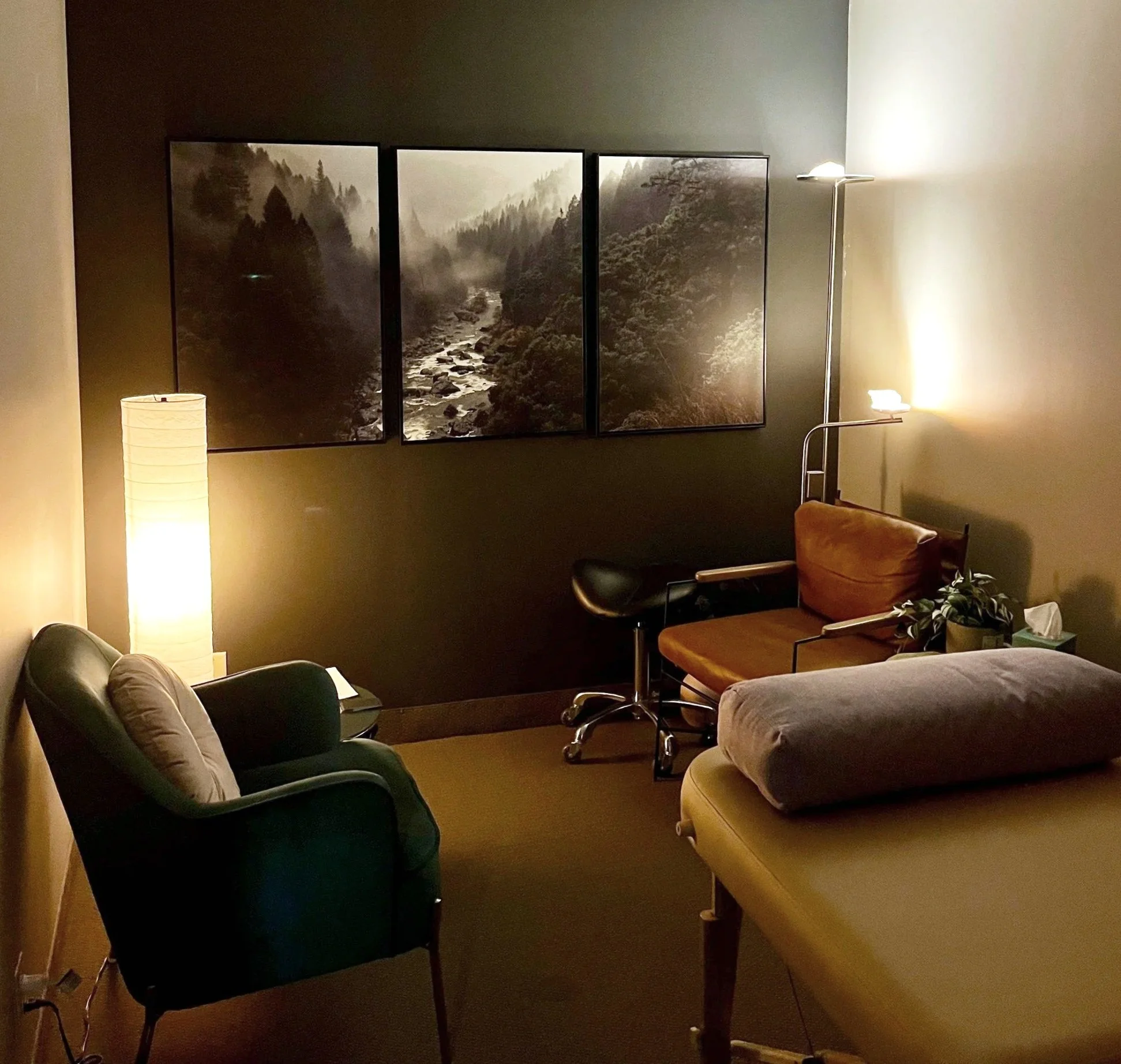
Transforming Touch® (TEB)
If you feel constantly on edge, disconnected, emotionally overwhelmed, or like your body has a hard time slowing down, you’re not alone. TEB® is a gentle, body-based approach that supports nervous system regulation, safety, and healing through therapeutic touch, co-regulation, and connection.

Somatic Therapy
If stress, anxiety, trauma, or overwhelm feel stuck in your body, somatic therapy can help. This body-based approach supports nervous system regulation, emotional awareness, and healing by helping you reconnect with a greater sense of safety, balance, and ease. By gently exploring the connection between your mind, body, and emotions, somatic therapy can help reduce reactivity, increase resilience, and support lasting change.

Play Therapy
If your child is having frequent meltdowns, anxiety, or emotional shutdowns, play therapy can help. Through play, children explore emotions, build coping skills, and strengthen their sense of safety and autonomy in a way that feels natural and supportive. Play therapy also allows children to express experiences that may be difficult to put into words while developing confidence, emotional understanding, and regulation skills.
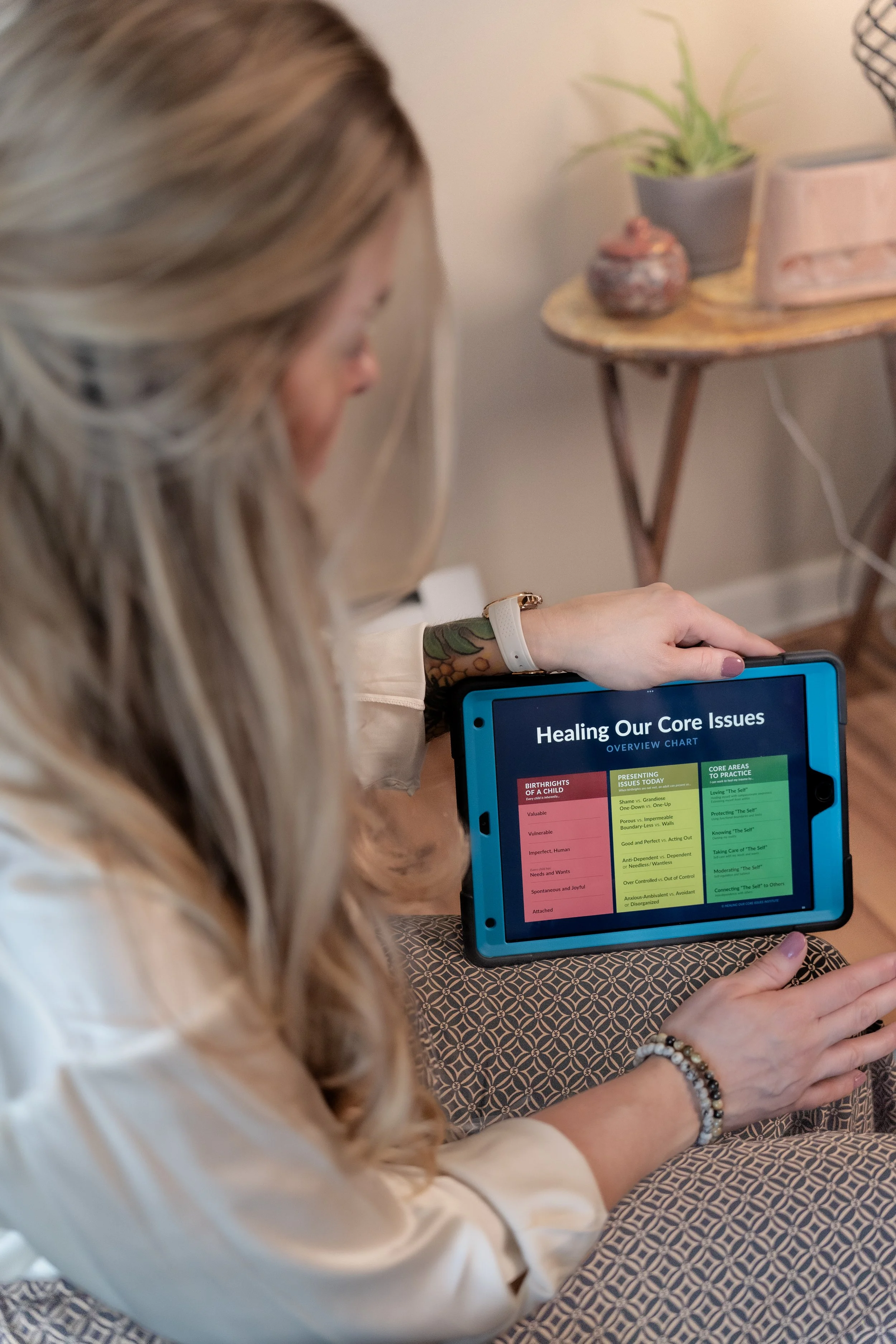
Attachment Trauma
If relationships feel difficult, emotions feel overwhelming, or you find yourself people pleasing, shutting down, fearing abandonment, or struggling to feel safe with others, attachment trauma therapy can help you heal these patterns and build more secure, connected relationships.

Anxiety Therapy
If your mind feels like it never slows down, you struggle with overthinking, overwhelm, or constant worry, you’re not alone. Anxiety therapy helps support nervous system regulation, emotional balance, and coping skills while creating greater understanding, steadiness, and ease in daily life.
Frequently Asked Questions
Still have questions? Take a look at the FAQ or reach out anytime.
-
No. While you are always welcome to share your experiences, healing does not always require talking through every detail of the past. Transforming Touch® focuses on supporting safety, regulation, and healing within the nervous system.
-
Traditional therapy often focuses on thoughts, emotions, and verbal processing. TEB® includes the body and nervous system in the healing process, helping address patterns that may continue even after insight has been gained.
-
Each person's experience is unique. Clients often describe sessions as calming, grounding, relaxing, or deeply regulating. Sessions are collaborative, fully clothed, and always guided by consent and comfort.
-
Yes. TEB® can be adapted for children, adolescents, and adults. Sessions are tailored to each person's developmental needs, comfort level, and goals.
-
The number of sessions varies based on your goals, experiences, and nervous system needs. Some people notice shifts within a few sessions, while others choose ongoing support as part of their healing journey.


let's get started